
7 Best Garage Gym Essentials to Buy First in 2026
The short answer
Start a garage gym with the Titan T-3 folding rack, a foldable bench like the REP AB-3100 and PowerBlock Elite EXP dumbbells. Measure the ceiling, bay width and door track before you buy any of it.
Last updated September 2026
Contents11
- #1. Titan T-3 Folding Power Rack: best rack for most garages
- #2. PRx Profile CORE Low Ceiling 73 inch: best rack for a low garage ceiling
- #3. Titan T-3 Short Squat Stand: best if you can't drill
- #4. REP AB-3100: best foldable bench
- #5. PowerBlock Elite EXP: best adjustable dumbbells
- #6. American Floor Mats 3/4 inch Stall Mat: best flooring under a rack
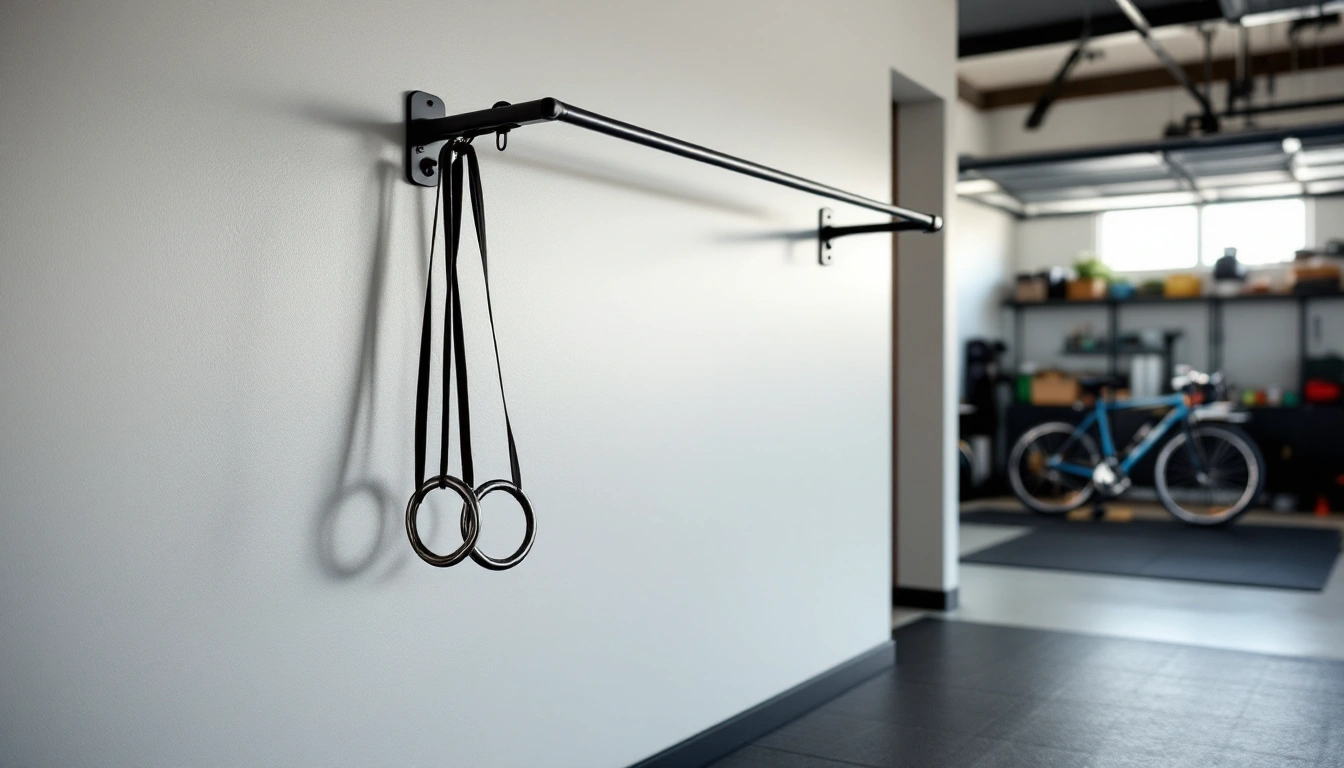
- #7. Titan Pop-Out Pull-Up Bar: best fold-away pull-up bar
- Factors to consider when setting up a garage gym
- How we picked the best garage gym gear
- More in this guide
- Our verdict on the garage gym
Our top 7 picks
- 1Best rack for most garages
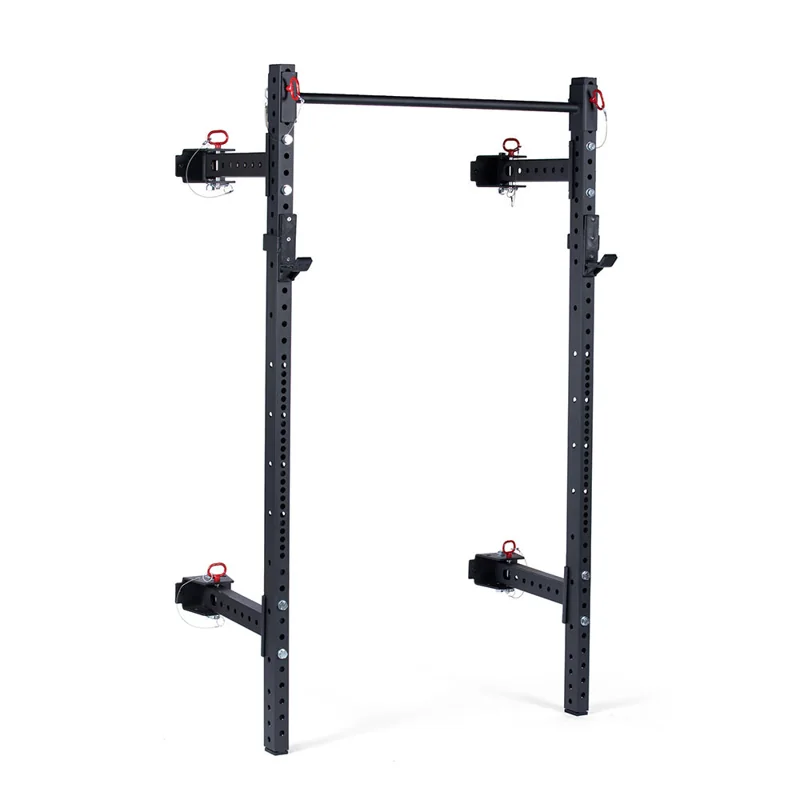 Titan Fitness T-3 Series Wall-Mounted Folding Power Rack, 82 in x 21 inView at Titan FitnessRead our analysis
- 2Best rack for a low garage ceiling
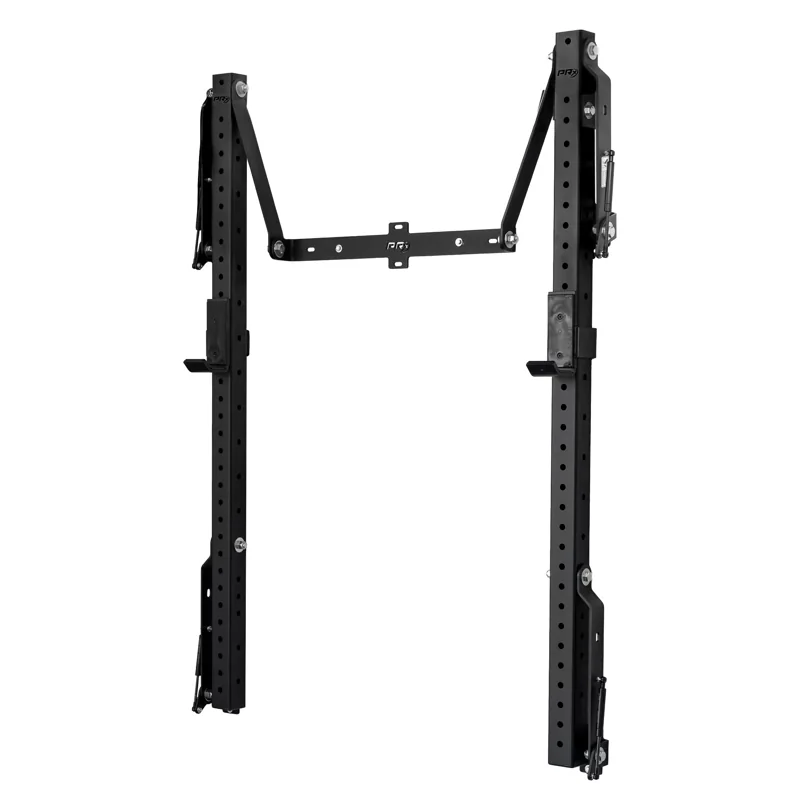 PRx Performance Profile CORE Low Ceiling 73-inch Folding Squat RackView at PRx PerformanceRead our analysis
- 3Best if you can't drill
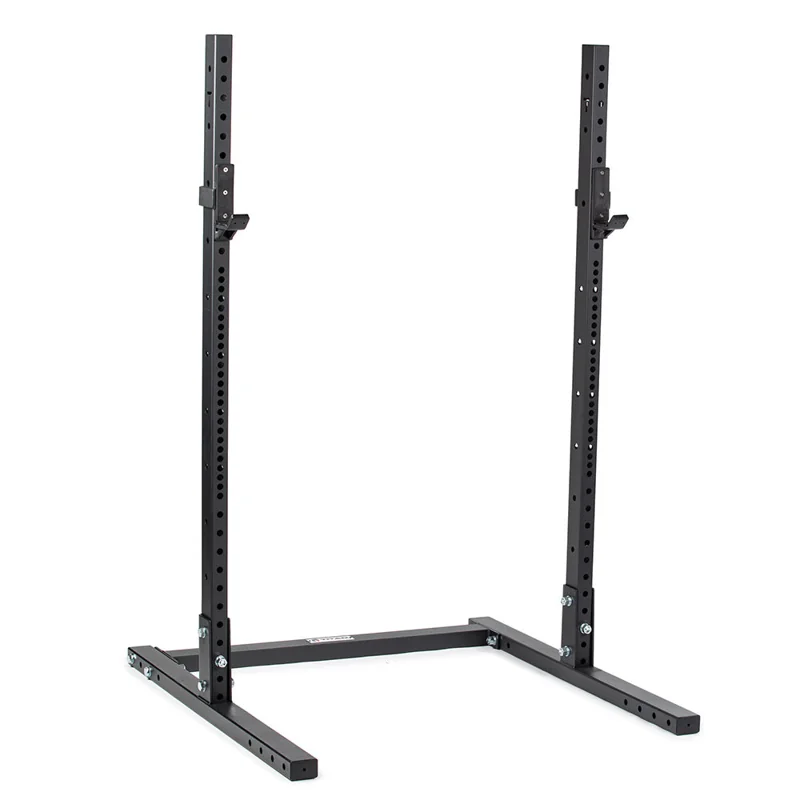 Titan Fitness T-3 Series Short Squat StandView at Titan FitnessRead our analysis
- 4Best foldable bench
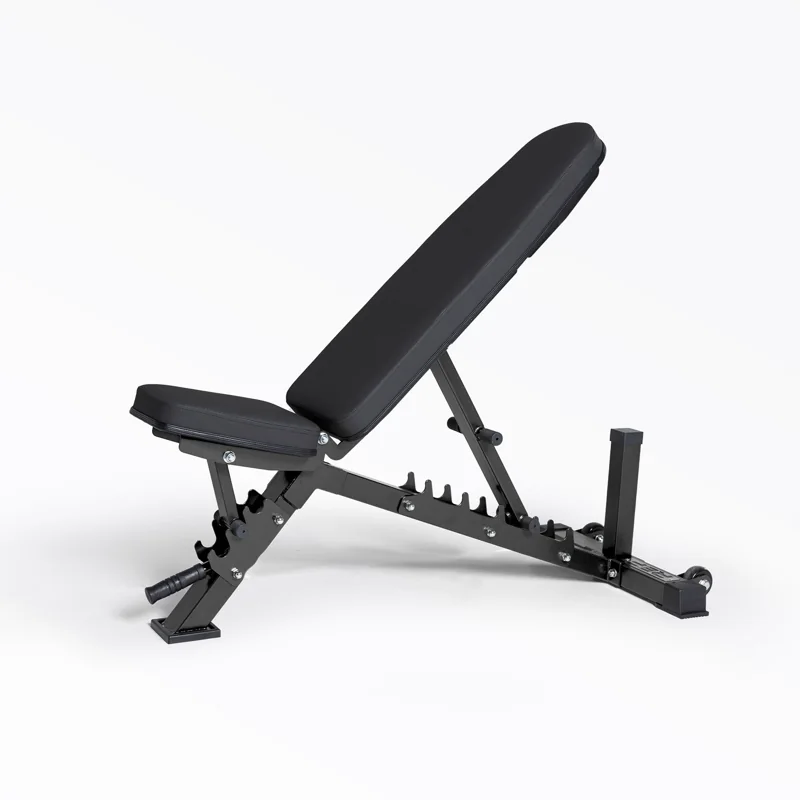 REP AB-3100 Adjustable Weight BenchView at REP FitnessRead our analysis
- 5Best adjustable dumbbells
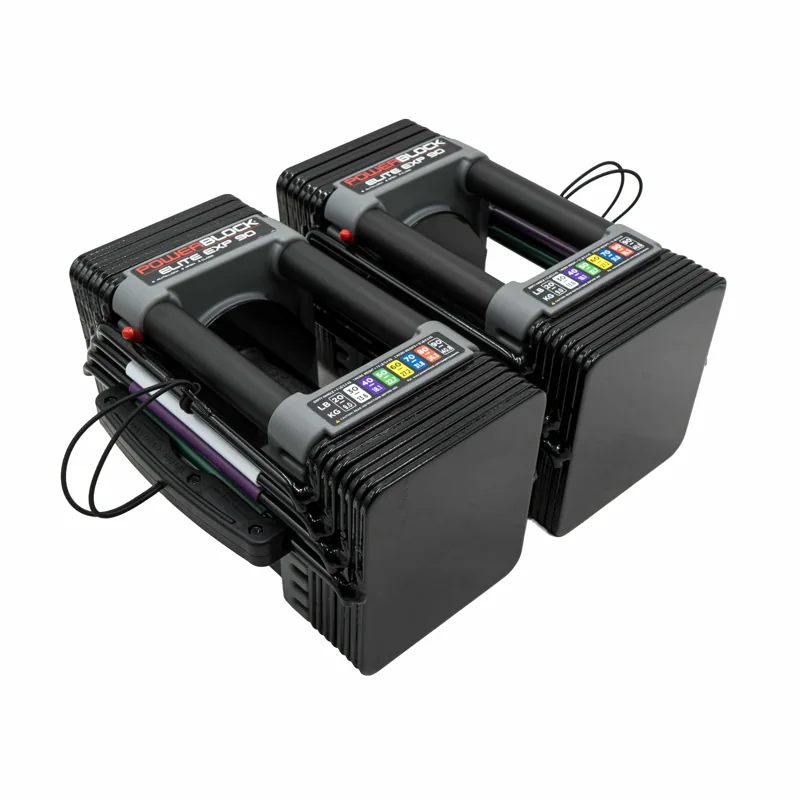 PowerBlock Elite EXP Stage 1 Adjustable Dumbbells (Pair)View at PowerBlockRead our analysis
- 6Best flooring under a rack
 American Floor Mats 3/4-inch Rubber Stall Mat, 4 x 6 ftView at American Floor MatsRead our analysis
- 7Best fold-away pull-up bar
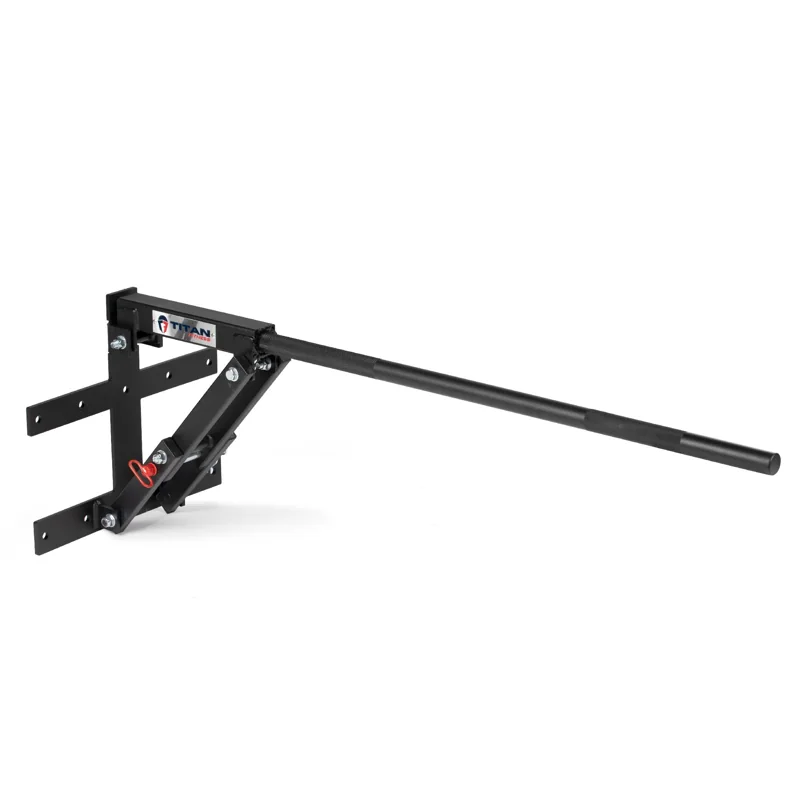 Titan Fitness Pop-Out Wall-Mount Folding Pull-Up BarView at Titan FitnessRead our analysis
A garage gym starts with measurements, not gear. The gear you want only works if it fits your ceiling height, floor width and door clearance. Those numbers vary a lot between garages, so guessing gets expensive.
The seven picks below cover the gear that changes a garage the most for the floor it uses. That means a rack first, then the smaller gear. Measure first, using the checks under the picks.
#1. Titan T-3 Folding Power Rack: best rack for most garages
Titan Fitness T-3 Series Wall-Mounted Folding Power Rack, 82 in x 21 in
Our verdict:
Best rack for most garages
Best for a garage that still parks a car and has studs where the rack will go.
View at Titan FitnessKeep in mind: you supply the wall hardware.
Standout: A folding rack gives the floor back when you're done. See the folding squat rack guide for more fold-flat options.
#2. PRx Profile CORE Low Ceiling 73 inch: best rack for a low garage ceiling
PRx Performance Profile CORE Low Ceiling 73-inch Folding Squat Rack
Our verdict:
Best rack for a low garage ceiling
Best for garages where the door track or opener hangs low.
View at PRx PerformanceKeep in mind: it needs a stud wall and clearance for the fold.
#3. Titan T-3 Short Squat Stand: best if you can't drill
Titan Fitness T-3 Series Short Squat Stand
Our verdict:
Best if you can't drill
Best for renters, or walls with no usable studs.
View at Titan FitnessKeep in mind: it does not fold, so it keeps its floor spot.
#4. REP AB-3100: best foldable bench
REP AB-3100 Adjustable Weight Bench
Our verdict:
Best foldable bench
Best for flat, incline and decline work in a small bay.
View at REP FitnessKeep in mind: it folds upright, so it still needs a corner.
#5. PowerBlock Elite EXP: best adjustable dumbbells
PowerBlock Elite EXP Stage 1 Adjustable Dumbbells (Pair)
Our verdict:
Best adjustable dumbbells
Best for replacing a rack of fixed dumbbells with one pair.
View at PowerBlockKeep in mind: heavier weights need expansion kits sold separately.
Standout: One pair of adjustable dumbbells takes the place of a full dumbbell rack. The compact home gym guide compares footprints.
#6. American Floor Mats 3/4 inch Stall Mat: best flooring under a rack
American Floor Mats 3/4-inch Rubber Stall Mat, 4 x 6 ft
Our verdict:
Best flooring under a rack
Best for the spot under a loaded barbell.
View at American Floor MatsKeep in mind: each 4 by 6 foot mat is heavy, so plan on two people to move it.
#7. Titan Pop-Out Pull-Up Bar: best fold-away pull-up bar
Titan Fitness Pop-Out Wall-Mount Folding Pull-Up Bar
Our verdict:
Best fold-away pull-up bar
Best for a garage with no rack, or a second bar away from the rack.
View at Titan FitnessKeep in mind: it is rated to 250 lb, lower than a fixed bar.
Factors to consider when setting up a garage gym
Measure before you shop
Three numbers decide what will fit:
- Clear width, wall to wall, minus anything on the walls such as shelving, a water heater or a breaker panel.
- Depth from the garage door to the back wall. A standard Olympic bar is just over 7 feet long. Loading plates on both sleeves without scraping a wall takes roughly 10 feet of clear width around the rack (Home Gym Foundry).
- Height to the lowest obstruction. That is the door track, the opener rail or ductwork, not the ceiling. A full-size power rack (80 to 93 inches tall) needs at least 8 feet of clear height. A short rack around 72 inches or less works in tighter garages (Home Gym Foundry). For easy pull-ups and overhead presses, aim for 8.5 to 9 feet (RitFit).
A single-car bay is commonly 12 to 16 feet wide and 20 to 24 feet deep. A two-car bay runs 22 to 26 feet wide at the same depth (GarageTransformed). One car's worth of floor, about 10 by 18 to 20 feet, is generally enough for a full strength setup with no car in it (Home Gym Foundry).
Flooring: match thickness to what you drop
Flooring protects the slab and cuts noise. Thicker isn't always better. A thick mat under a dumbbell corner just eats floor you don't need to give up. Match the thickness to what lands on it.
A corner for dumbbells and stretching needs far less than the spot under a loaded barbell. Measure your usable width after the flooring is down, not before. The garage gym flooring guide compares thickness by use.
Insulation and ventilation are two separate problems
A garage swings in heat and damp far more than a finished room. Insulation slows how fast the garage gains or loses heat through the walls, ceiling and door. A common baseline is R13 walls and at least R30 in the ceiling in a standard climate. That rises to R19 walls and R60 ceiling in colder northern areas (Garage Gym Reviews, citing Certified Master Inspector Hubert Miles).
Ventilation moves air and controls humidity and smell. Insulation alone doesn't do that. Open the garage door partway, run a floor fan and add a cross-breeze from a window or vent (GarageGymBuilders). New rubber flooring gives off a smell for a while after install. Fans and a cracked door for the first few weeks cut that smell by roughly 80 to 90 percent within the first month (GarageGymBuilders).
Humidity is its own issue. A dehumidifier sized to the space keeps rust off steel and keeps mats dry. A rough baseline is 10 to 15 pints per day per 500 square feet in a fairly sealed garage (AlorAir). Size up for poor insulation, air gaps or a humid climate.
What to buy first
- A rack that fits your ceiling and bay width. Folding wall racks solve space best if your wall can take the hardware.
- One set of adjustable dumbbells instead of a full rack of fixed pairs.
- Flooring sized to the load, not the whole room at maximum thickness.
- A ventilation plan, even one fan and a cracked door, before you train there daily.
How we picked the best garage gym gear
We started with the order that changes a garage gym most for the floor it uses: rack, bench, dumbbells, flooring, then a pull-up bar. For each slot we read the retailer listing and the maker's specs. We checked height, fold depth, rated load and mounting needs. Check the current listing before you buy.
More in this guide
- Best Garage Gym Accessories: wall storage, pull-up bars, flooring and door insulation that get gear off the floor.
- Garage Gym Ideas: layouts for one-car and two-car garages.
- Garage Gym Reviews: the specs to check before you trust a review.
- Half Garage Gym Ideas: training space that still parks a car.
Our verdict on the garage gym
For most people, a garage gym starts with the Titan T-3 folding rack, the REP AB-3100 bench and PowerBlock Elite EXP dumbbells. Pick the PRx Profile CORE Low Ceiling 73 inch for a low ceiling, or the Titan T-3 short squat stand if you can't drill. Put a 3/4 inch rubber mat under the rack and plan your airflow before you train.
Our picks in this topic
8 picks
8 Best Garage Gym Accessories That Free Up Floor Space in 2026
Eight garage gym accessories that move gear off the floor: plate and bar storage, a fold-away pull-up bar, kettlebell and band hooks, a wall cabinet, rubber flooring and door insulation.
Questions people also ask
How much ceiling height does a garage gym need?
For standing overhead presses and pull-ups, plan on 8.5 to 9 feet of clearance (RitFit). A full-size power rack runs 80 to 93 inches tall and needs at least 8 feet of clear height to the lowest obstruction (Home Gym Foundry). That is often the garage door track or opener rail, not the ceiling. A short rack around 72 inches works in tighter spaces.
How wide does a garage bay need to be for a barbell?
A standard Olympic barbell is just over 7 feet long. To load plates on both sleeves without scraping a wall, plan on roughly 10 feet of clear width (Home Gym Foundry). A single garage bay is typically 10 to 16 feet wide and 20 to 24 feet deep (GarageTransformed). That is enough for a rack, a barbell lane and some storage.
Does a garage gym need insulation or just a fan?
Both, because they solve different problems. Insulation of R13 walls and at least R30 ceiling, more in cold climates, slows heat loss and gain (Garage Gym Reviews, citing Certified Master Inspector Hubert Miles). Ventilation from an open door, a cross-breeze and a floor fan moves air and controls humidity, which insulation alone doesn't do (GarageGymBuilders).
What should I buy first for a garage gym?
A rack that fits your ceiling and bay, then one set of adjustable dumbbells and a bench. Add flooring sized to the load and a ventilation plan before you train there daily.